Simple Ways Nature Can Strengthen Youth Mental Health
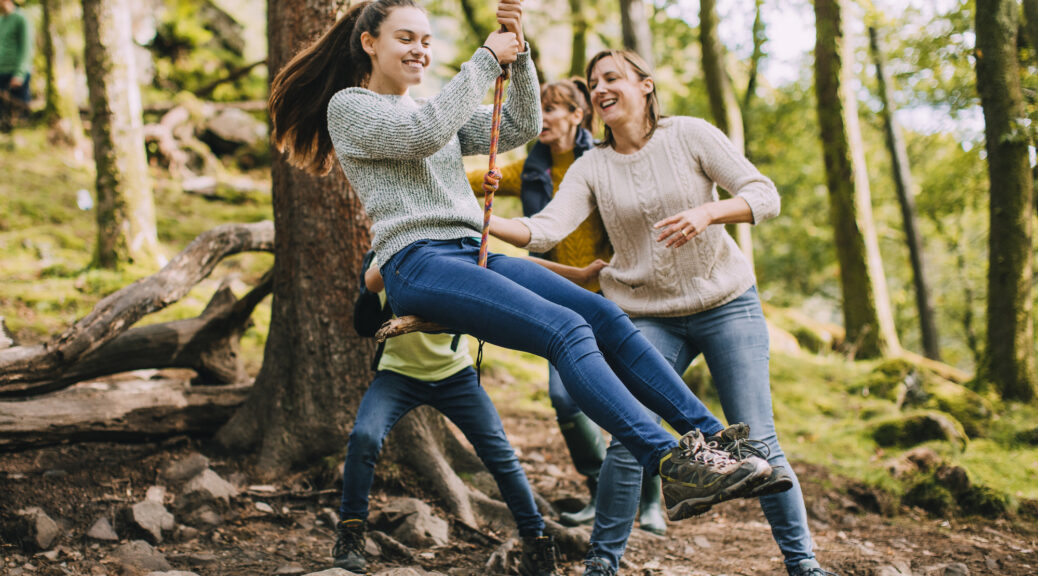
At KVC Nebraska, we are committed to equipping parents and caregivers with strategies to support youth wellbeing. One often overlooked tool for youth mental health is all around us: nature.
Nature offers something many youth deeply need: safety, predictability and space to breathe. Research continues to show that time outdoors supports emotional regulation, lowers stress and improves overall mental health. For caregivers, especially those supporting youth in foster care, incorporating nature into everyday routines can be a practical and meaningful way to build connection, resilience and a sense of calm.
KVC Nebraska offers foster care youth mental health support that is trauma-informed and compassionate, but we also take the time to educate caregivers on strategies to support youth wellbeing. See why nature is a simple, accessible tool caregivers can use consistently to help youth in their care feel connected, grounded and at peace.
Youth Today Spend Less Time Outdoors
As children and teens started spending more time on screens, it sparked a downward trend in the amount of time youth spend outside. On average, children spend just four to seven minutes outside each day, compared to over seven hours on electronic media devices. Robert M. Pyle referred to this human alienation from nature as the “extinction of experience,” and that was over 30 years ago. Nowadays, youth spend even less time outside and often have more limited access to green spaces where they can connect with nature.
This is more than just a cultural trend. For youth mental health, it is cause for concern. Research shows that youth who have less access to nature and spend less time outdoors are 55% more likely to develop a mental health condition like depression and have a greater risk of developing more serious psychiatric conditions like schizophrenia.
The Many Benefits of Nature for Youth Wellbeing
 Just as reduced time outdoors can result in negative health outcomes, spending more time outdoors can actually help youth with emotional regulation and physical wellness.
How Nature Supports Emotional Regulation and Healing
A simple breath of fresh air can be an instant mood boost. Spending time outside can even be an effective treatment method for mental and behavioral health conditions like ADHD!
Here are just a few research-backed benefits of nature for youth mental health:
- Decreased stress and anxiety
- Improved mood, memory and focus
- Better emotional regulation
- Positive impacts on sleep and physical health
- Reduced risk of depression, mood disorders and substance use disorders
- Increased compassion and empathy
- A stronger sense of connection
Sensory experiences in nature help youth feel more engaged with the world around them and can create a sense of peace for those who have experienced intense trauma.
Physical Benefits of Nature
 The impact nature has on the human body is not just mental and emotional: it’s physical. Spending time outside in nature surrounds the body with healthy vitamins and naturally produced chemicals that soothe the nervous system and boost immune health.
Here are some of the proven benefits of nature exposure for youth wellbeing:
- Reduces blood pressure and cortisol levels
- Increases vitamin D
- Enhances cognitive function
- Decreases allergies
- Improves heart health
- Healthier circadian rhythms (meaning better sleep)
- Promotes positive health behaviors like physical exercise
The physical benefits can also be mental, such as helping a person perceive their own health in a more positive light and feel more motivated to adopt a healthy lifestyle.
Practical, Everyday Ways Caregivers Can Use Nature
As a parent, foster parent or other caregiver for youth who may have experienced trauma, finding practical ways to encourage time out in nature can make all the difference for the youth in your care. Try these approachable, practical techniques for helping youth get more connected with nature:
Build Simple Outdoor Routines
 Find ways to make time outside part of daily or weekly routines. Rituals like short nature walks, eating meals outside, gardening or participating in sports that take place outside can create simple, low-pressure ways to be out in nature.
Use Nature as a Coping Tool
Mindfulness practices like breathing exercises, yoga, meditation and journaling can have an even greater impact when performed out in nature! In Japanese culture, “forest bathing” is a popular practice that uses nature to improve physical and mental health by combining nature and meditation. You can also suggest starting a nature journal, or gift them a disposable camera to take photos of anything that captures their interest on a nature walk.
Encourage Sensory and Creative Exploration
 Find creative ways to explore nature and combine it with the youth’s hobbies and interests. They may enjoy quiet encounters with nature like journaling, drawing or photography, or they may be more interested in active nature hobbies like swimming in a lake or rock climbing. Exploration doesn’t always have to be a structured activity. Unstructured outdoor play is healthy at any age and gives youth the chance to just let loose and relieve stress however they want.
Get Outside Together
Nature can help build trust and form new connections, especially for youth in foster care who may be just starting to get to know their caregiver. Going for a walk on a nearby trail can create a safe space for communication without forcing the conversation, taking the edge off for youth who struggle with emotional expression or trust.
Incorporate Safety and Supervision
Remember that “unstructured” is not the same as “unsafe.” Make sure children and youth in your care know how to be safe and smart while playing outside, and provide age-appropriate supervision.
Be Flexible and Empower Choice
 All of these ideas are suggestions, not requirements. The best way to encourage youth to connect with nature is by helping them choose activities and routines that they enjoy. They may prefer biking over running, or choose to read a book while sitting under a tree instead of going for a long hike. Whatever their means of connecting with nature, find ways to support it and be flexible when those preferences change.
Nebraska-Based Nature Activities Caregivers Can Explore
While nature can be as simple as your yard, neighborhood or a local playground, Nebraska also has several state parks, trails and other wonders worth exploring! Here are some ideas for bigger outdoor adventures in Nebraska:
State Parks
- Niobrara State Park (Niobrara, NE)
- Fort Robinson State Park (Crawford, NE)
- Chadron State Park (Chadron, NE)
- Smith Falls State Park (Valentine, NE)
- Ponca State Park (Ponca, NE)
- Eugene T. Mahoney State Park (Ashland, NE)
- Platte River State Park (Louisville, NE)
- Indian Cave State Park (Shubert, NE)
Unique Nebraska Outdoor Experiences
- Toadstool Geological Park and Campground (Crawford, NE)
- Lake McConaughy (Ogallala, NE)
- Cowboy Trail (Norfolk, NE)
- Fort Niobrara National Wildlife Refuge (Valentine, NE)
- Nebraska National Forest (Pine Ridge, NE and Chadron, NE)
Small, Consistent Moments Make a Difference
Incorporating nature into routines may take some trial and error for your household and the youth in your care. Start with small changes to build sustainable routines over time. Even a little time spent breathing fresh air can go a long way!
If you’re looking for more research-based resources, take a look at KVC Nebraska’s free e-books for foster parents and caregivers.