Building Belonging: How Shared Living Spaces Support People with Disabilities

July is Disability Pride Month, a great opportunity to learn, raise awareness and advocate for individuals with disabilities, from physical disabilities requiring a wheelchair to developmental disabilities. At KVC Nebraska, our Shared Living program (SLP) fosters welcoming environments for everyone by empowering shared living providers to offer homes to individuals with disabilities.
These programs empower independence and build a sense of belonging for individuals with disabilities by creating a close-knit community within accessible living spaces. A vital component of any shared living setting is accessibility. An accessible living space can make it possible for an individual with disabilities to thrive, as they live life with more autonomy and independence!
What is Shared Living?
Shared living for people with disabilities allows individuals to reside in a family-style setting, typically with a caregiver or host, while both participating in the community and receiving support. The outcome is a supportive environment that sets the stage for thriving!
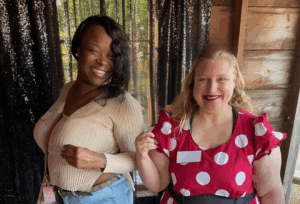 Shared Living Providers with KVC Nebraska offer a safe, loving and structured living environment for individuals with intellectual and/or developmental disabilities. Our providers open their homes to participants to teach them intensive social and independent living skills, as well as help them form strong community relationships. Participants help determine their own goals for habilitation and independence.
What Does Accessibility Mean in Shared Living Programs?
An accessible living space is a home or living environment designed to accommodate the unique needs of its residents. In the context of shared living arrangements, this may mean providing accessibility adjustments to the home that meet several different needs, from physical accommodations for wheelchairs to technological support to sensory-friendly alterations for individuals with autism or other sensory-sensitive developmental disabilities.
Accessibility in shared living programs is invaluable to making the program as impactful and empowering as possible for individuals living in these shared environments.
 What are the benefits of accessibility in shared living settings?
- Fosters autonomy and independence
- Removes barriers to successful living
- Enhances the quality of life for individuals with disabilities
- Promotes a sense of belonging for those who often feel overlooked
Key Elements of Accessible Shared Living Environments
Numerous modifications and adjustments can be made to create shared living environments that are inclusive and accessible for all manner of disabilities. Discover some strategies that shared living providers and communities use to foster independence and support individuals with disabilities.
Physical Modifications
Modifying the physical environment is a significant factor for individuals with physical disabilities, in particular. The ADA Standards for Accessible Design provides some excellent guidelines for new construction or otherwise modifying a home to be wheelchair accessible, though these are more catered to businesses and facilities than personal living.
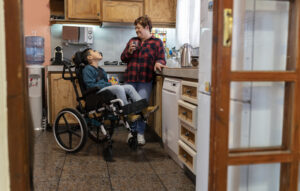 Here are some ways a home can be modified for greater accessibility:
- Install ramps instead of stairs for entryways
- Widen hallways for wheelchair movement and ease of turning
- Remodel bathroom for accessibility (including a curb-less shower with shower chair, grab bars and handrails, lower sink and counter height, etc.)
- Modify kitchen and dining areas, such as adding space beneath a portion of the counter for wheelchairs, ensuring adaptive kitchen supplies and lowering cabinet accessibility
- Move light switches, door handles and sink faucets to a height that can be reached while sitting or standing
- Replace carpet with hardwood flooring or linoleum
- Replace doorknobs with handles for easier opening
- Install a stairlift on unavoidable stairs
Adaptive Technologies
Every person with a disability has their own unique needs. As a shared living provider, you’ll be able to serve a wider range of individuals if your home can adapt to various accessibility requirements. For instance, a doorbell with flashing lights would be helpful for a person who is deaf or hard of hearing, but could cause significant sensory overload for an individual with autism. Automated technologies can be adapted to different situations, creating a lot of flexibility and support for individuals with disabilities. Some options include:
- Independence-fostering assistive devices
- Voice-activated controls
- Automatic doors with large push buttons
- Smart locks instead of physical keys for doors
- Adaptive keyboards
- Screen readers
- Adjustable lighting
 Sensory Considerations
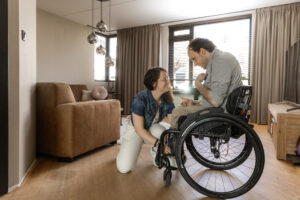
Sensory issues can make an environment feel unwelcoming and uncomfortable for individuals with certain developmental disabilities, and it can be difficult for them to communicate these struggles in many cases. Find ways to reduce sensory inputs throughout your home, such as:
- Dimmable lighting
- Noise reduction (such as soundproofing their bedroom)
- Calming colors
- Reduced clutter (which can also be beneficial for someone with physical disabilities trying to move throughout the home)
Household Engagement
Physical adjustments for accessibility are one thing, but a close-knit community of respect and communication among all residents of the household can be extremely helpful for making the home feel safe and welcoming. A shared living provider can encourage this by helping develop relationships between residents and educating them on respecting each other’s unique needs and boundaries.
Overcoming Challenges in Creating Accessible Shared Living Spaces
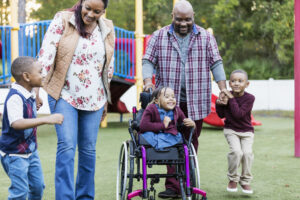 It isn’t easy to create accessible shared living spaces, especially at the beginning, when you may be starting with a very non-accessible home. Some common obstacles include a lack of funding, space constraints or even a lack of awareness of accessibility needs.
If you’re reading this, you’ve already taken a huge step toward overcoming the barrier of awareness! However, there is always more to learn. Keep communication open with any shared living residents in your home to better understand what you can do to make their lives better and the environment more accommodating.
If you have a heart for becoming a shared living provider, don’t let financial barriers stop you. Many grants, community partnerships and even income tax credits are available to individuals opting to become shared living providers or remodel their home to be ADA compliant! Do your research and talk to your KVC Nebraska contact about options. You can also make improvements gradually over time to expand the flexibility of your home for different needs. Your home doesn’t need to be perfect for you to get started.
 The Role of Shared Living Providers in Creating Accessible Living Spaces
When you begin the process of becoming a shared living provider with KVC Nebraska, one of our shared living experts will do a thorough walkthrough of your home. During this visit, we will discuss any necessary accessibility requirements and match you with the participants that best fit your home. We’ll be by your side to help in creating and maintaining accessible living spaces!
In addition to working closely with KVC Nebraska and staying engaged with ongoing training, shared living providers should maintain open communication with residents about their needs and take steps to foster relationships with residents. Creating a family-like environment will go a long way toward making everyone feel respected, included and empowered.
KVC Nebraska’s Shared Living Program: Providing a Safe, Supportive Environment
KVC Nebraska’s Shared Living Program is designed with accessibility in mind. While at its most basic level, it is about providing shelter and transportation to participants, the reality goes far beyond these minimal accommodations! While the ultimate responsibility for accessibility falls on the shared living provider, we are with our providers every step of the way. From ongoing training and 24/7 support from a shared living specialist, our providers are matched with participants who they are most well-equipped to support in a nurturing, safe and accessible home. Learn more about KVC Nebraska’s shared living program and apply to be a shared living provider here.